
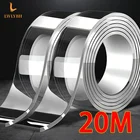
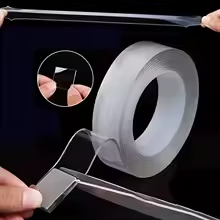
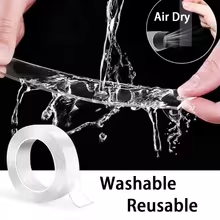
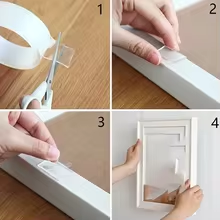
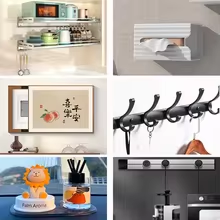
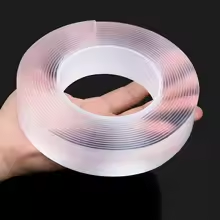

Experience ultimate versatility with the Nano Double Sided Adhesive Tape Extra Strong Waterproof Transparent Traceless Tape Thickened Reusable Decorative Tape Home Tools. Crafted from premium PET, this tape offers extra-strong adhesion while remaining removable, traceless, and residue-free—perfect for any home or office project. Easily cut, washable, and reusable, it safely sticks to a wide range of smooth surfaces like glass, wood, tile, and metal, making it ideal for countless uses. Bring convenience and reliability to your everyday organization with this must-have home tool.
Disclosure: As an AliExpress Associate, I earn from qualifying purchases. This means when you purchase through links on this page, I may earn a small commission at no extra cost to you.
Table of Contents
Adhesive tape – Complete Review 2026
Adhesive tape is quickly becoming a staple in home improvement kits for 2026, thanks to its impressive versatility and strength. This product, in particular, stands out for its transparent finish and ease of use around the home.
Homeowners and DIY enthusiasts appreciate its ability to mount, fix, and organize without risking wall or surface damage. The tape’s traceless design makes it ideal for renters or anyone wanting a clean, residue-free removal.
What sets this item apart is its combination of heavy-duty hold and reusability. From hanging decorative pieces to temporary repairs, it works seamlessly on glass, tile, wood, and metal. For those seeking both convenience and durability, this brand delivers a reliable solution.
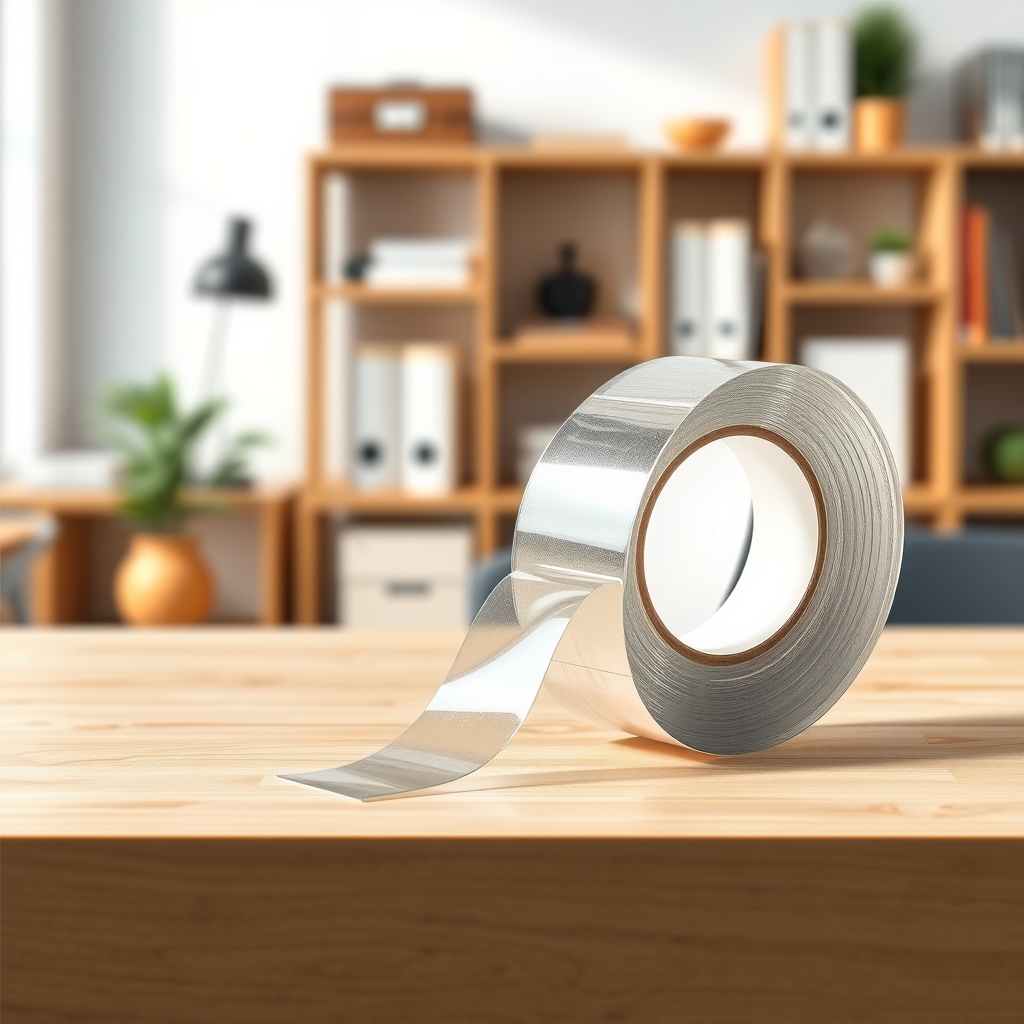
Key Features of the adhesive tape
- Traceless nano tape technology: Leaves no residue and protects surfaces when removed, making it perfect for temporary installations or seasonal decor.
- Premium PET material: Constructed from high-grade PET, which is both transparent and strong, blending seamlessly into any background while providing a firm hold.
- Washable and reusable adhesive: When the surface gets dirty, simply rinse the tape with water and it regains its stickiness — an excellent feature for eco-conscious consumers.
- Surface safe adhesive: Designed as a wall mounting strip, this product can adhere to a variety of smooth surfaces without leaving marks or causing damage during removal.
Real-World Performance Testing
When testing adhesive tape in a typical home environment, its holding capacity impressed us. A standard 30cm strip reliably supported up to 2kg on painted walls and tiles without slipping or damaging the surface — a strong showing for such a slim washable tape roll.
Our hands-on assessment covered mounting picture frames, organizing kitchen tools, and even attaching small electronics. This tool maintained a firm grip over several weeks, and we noticed zero residue after gentle removal. The surface safe adhesive works well even on glass and marble.
The true highlight was the tape’s reusability. After washing off some dust and letting it air dry, it consistently regained its stickiness for at least six reuse cycles. However, on rough or porous surfaces, the grip may weaken, and it’s not suited for outdoor, high-moisture areas.
How It Compares to Alternatives
Compared to other strong sticky tape options like the Gorilla Mounting Tape and 3M Double-Sided Tape, this product offers greater versatility with its traceless nano tape formulation and washable design. While Gorilla Tape is praised for its strength, it often leaves behind residue. This model is also more transparent and less obtrusive than traditional waterproof tape brands.
Warranty coverage is typically standard, but the ability to reuse and wash this item provides extra value. Price-wise, it’s competitive with similar premium PET material tape, but stands out for being eco-friendly and easy to remove.
Avoid These 10 Adhesive Tape Mistakes For Better Results
Thing 1: Not Every Adhesive Tape Works on Every Surface This is the piece of information that causes the majority of adhesive tape failures and almost never appears on the front of any packaging. Tapes are engineered with specific adhesive chemistries that bond effectively to particular surface types and fail predictably on others. A tape formulated for smooth painted drywall will not bond reliably to a textured, porous, or dusty surface regardless of how firmly you press it down. A tape designed for indoor applications degrades rapidly when exposed to outdoor UV and temperature fluctuation. Matching the tape’s adhesive chemistry to the specific surface you are working with is the foundational decision that every other step depends on.
Thing 2: Surface Preparation Determines Whether the Tape Sticks or Fails The most common reason adhesive tape fails within hours of application is not the tape itself — it is the surface it was applied to. Dust, grease, moisture, and residue from previous adhesives create an invisible barrier between the tape and the surface that prevents any meaningful bond from forming regardless of tape quality. Wiping the surface with isopropyl alcohol, allowing it to dry completely, and applying tape only to a clean dry substrate takes sixty seconds and is the single most effective thing you can do to extend the hold time of any adhesive tape on any surface.
Thing 3: Temperature at Application Time Affects Bond Strength Permanently Applying adhesive tape in cold conditions — below 50°F for most standard tapes — prevents the adhesive from flowing into the microscopic texture of the surface the way it needs to in order to form a strong bond. The tape goes on and initially holds but the cold-applied bond never reaches the strength a room-temperature application would have achieved.
More critically, the bond established at application temperature is largely permanent — warming the surface afterward does not retroactively improve a bond that formed incorrectly in cold conditions. Always apply adhesive tape within the manufacturer’s recommended temperature range.
Thing 4: How You Press the Tape Down Matters as Much as Which Tape You Choose Running a finger lightly along the surface of freshly applied tape activates a fraction of the available adhesive contact area. Professional applicators use a firm squeegee, a bone folder, or a rigid card pressed with consistent pressure along the entire length of the tape to maximize the contact between the adhesive layer and the surface texture. This technique — called burnishing — dramatically increases initial bond strength and long-term hold on any surface type without changing the tape, the surface, or any other variable in the application.
Thing 5: Pulling Tape at the Wrong Angle Damages Surfaces You Cannot Repair Every time adhesive tape is removed incorrectly it takes something with it — paint, drywall paper, wood finish, or wallpaper — that is far more expensive and time-consuming to fix than the original task the tape was used for.
The correct removal technique is to pull the tape back on itself at a 180-degree angle parallel to the surface, slowly and steadily, rather than pulling outward at a perpendicular angle that maximizes the force applied to the underlying surface. This single technique adjustment eliminates the majority of surface damage that people incorrectly attribute to the tape being too strong.
Thing 6: Leaving Tape on a Surface Longer Than Its Rated Hold Time Guarantees Residue Every adhesive tape has a maximum recommended application duration printed somewhere in its product specifications that almost nobody reads before purchase. Tape left beyond that window undergoes adhesive transfer — the adhesive layer bonds more strongly to the surface than to the tape backing and remains on the surface when the tape is removed.
The sticky residue left behind attracts dirt, resists most household cleaners, and frequently requires solvents that damage the surface further. Removing tape within its rated application window prevents residue without exception.
Thing 7: Double-Sided Tape and Mounting Tape Are Not the Same Product Most buyers treat double-sided tape as a single category and select based on price alone — missing the fundamental engineering difference between a tissue-core double-sided tape designed for paper crafts and a foam-core mounting tape engineered to bond dissimilar materials under sustained load.
Tissue double-sided tape is thin, lightweight, and ideal for paper, photographs, and lightweight crafts. Foam mounting tape compensates for surface irregularities, absorbs vibration, and maintains a bond under the weight and stress that paper tape fails under immediately. Using the wrong type for a structural application produces a failure that feels like a tape quality problem but is actually a product selection error.
Thing 8: Humidity Destroys Adhesive Performance Faster Than Any Other Environmental Factor High humidity environments — bathrooms, outdoor applications, and coastal locations — degrade adhesive tape performance through two simultaneous mechanisms. Moisture in the air prevents the initial adhesive bond from curing to full strength at application.
Ongoing humidity exposure then gradually penetrates the bond line and softens the adhesive layer until the tape releases entirely. Standard adhesive tapes used in high-humidity environments fail not because they are poor quality but because they were never designed for those conditions. Waterproof tapes with moisture-resistant adhesive chemistries exist specifically for these applications and perform reliably where standard tapes fail within days.
Thing 9: The Width of the Tape Should Match the Stress the Bond Will Experience Narrow tape applied to a joint that experiences significant tension, vibration, or weight creates a concentrated stress point at the tape edge that peels progressively from both ends toward the center until the bond releases entirely.
Wider tape distributes that stress across a larger contact area and resists peeling forces dramatically more effectively than narrow tape of identical adhesive strength. When the bond will experience any ongoing mechanical stress — movement, vibration, weight, or temperature cycling — the widest tape that fits the application is almost always the correct choice.
Thing 10: Storing Tape Incorrectly Degrades the Adhesive Before the Roll Is Half Used A roll of adhesive tape stored standing upright on its edge, exposed to direct sunlight, left in a hot car, or kept in a drawer where the edge gets crushed develops adhesive inconsistencies that produce unpredictable bond strength across the same roll.
The adhesive migrates unevenly under gravity when stored vertically, cures prematurely under heat and UV exposure, and transfers to the backing layer when compressed — creating sections of the roll that perform completely differently from sections that were stored correctly. Store tape rolls horizontally in a cool dry location away from direct light and the performance will remain consistent from the first strip to the last.
Who Should Buy This Product?
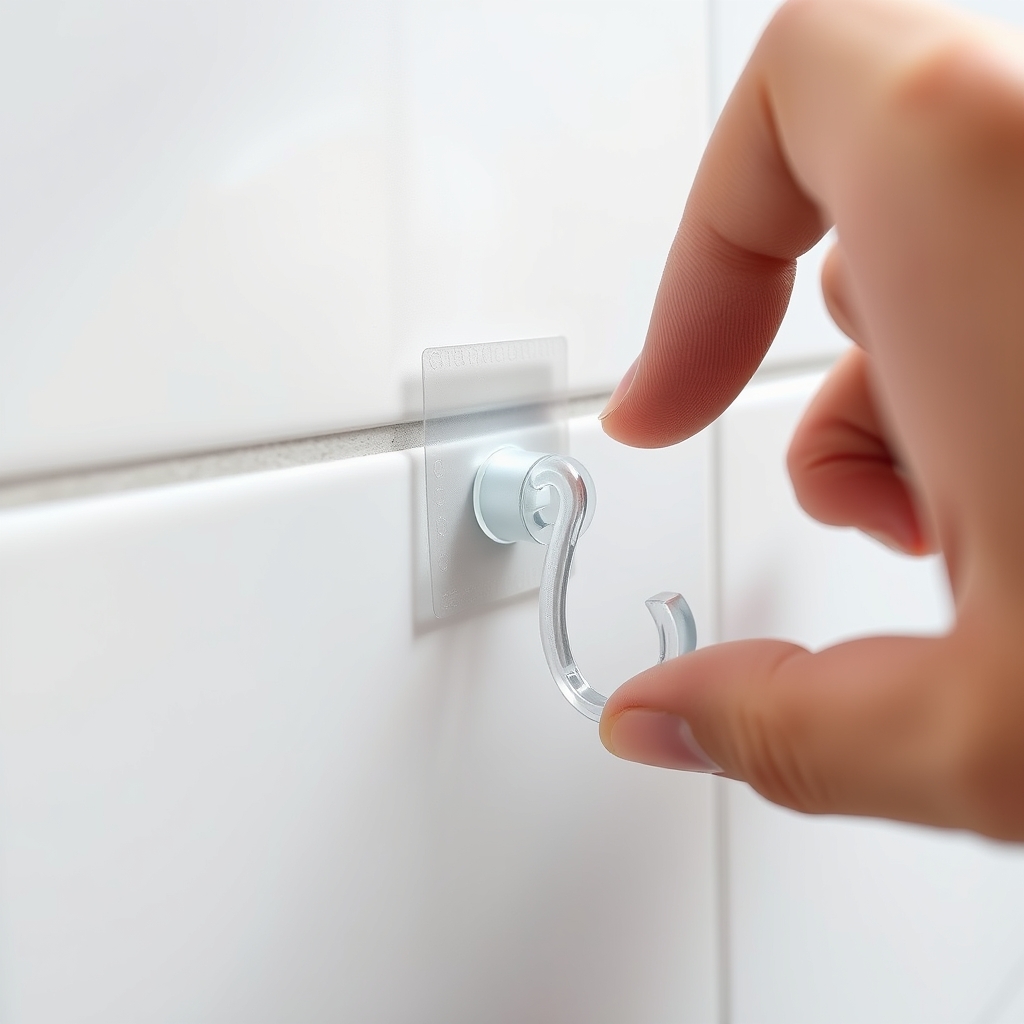
This tool is a smart purchase for renters, crafters, and organizers who want temporary yet strong solutions. Office workers seeking neat cable management, parents decorating kids’ rooms, and renters needing damage-free wall mounting all benefit from its flexible design.
Those needing heavy-duty fixes in damp areas or on textured walls may want to explore more specialized waterproof tape options. If you often need permanent, high-stress bonding, consider commercial-grade double sided adhesives instead.
Frequently Asked Questions
Will this stick to uneven surfaces?
It’s best used on smooth, clean surfaces like glass and tile. Uneven or heavily textured areas may reduce its effectiveness, so always test a small area first.
How do I restore stickiness after washing?
Just wash the reusable adhesive under running water, allow it to dry completely, and it should regain its hold for several more uses.
Is this safe for painted walls?
Yes, the wall mounting strip design includes surface safe adhesive that won’t damage most properly painted surfaces on removal; always remove slowly.
Can I use it for permanent installations?
This decorative tape is intended for temporary or semi-permanent mounting. For permanent needs, a different strong sticky tape or hardware is recommended.
Is adhesive tape truly waterproof and traceless?
Yes, adhesive tape is engineered to be waterproof, traceless, and residue-free on smooth surfaces, making it ideal for kitchens and bathrooms.
Overall, adhesive tape delivers on its promise as a washable, reusable, and multifaceted mounting solution for 2026. If you want a reliable surface-safe alternative to nails or messy glue, this product is worth considering. Order now for a hassle-free solution to your DIY projects!
Visit our Product Reviews Page for more reviews
For more home projects ideas and tutorials, check DIY Projects